
A dark room can feel smaller, quieter, and less welcoming than the rest of your home. The good news is that you do not need a major renovation to make it brighter. A few thoughtful changes to the walls, lighting, furniture, and accessories can help the space feel more open and comfortable.
Whether you are working with a room that receives little natural light or simply want a fresher look, these quick ideas can make a noticeable difference.
Start With the Walls
Choose Light, Warm Colors
Paint is one of the quickest ways to change the feeling of a room. Light shades reflect more light than deep colors, helping the space appear brighter and more spacious.
Good options include:
– Soft white
– Warm ivory
– Pale beige
– Light gray
– Gentle blue
– Muted green
Pure white can look crisp, but it may feel cold in a room with very little sunlight. Warm whites and pale neutral colors often create a softer, more inviting effect.
Before painting the entire room, test a few sample colors on different walls. Natural and artificial light can make the same shade look different throughout the day.
Consider the Ceiling and Trim
A bright ceiling can help lift the room visually. Use a light color on the ceiling, even if you choose a slightly deeper shade for the walls. Painting trim, doors, and baseboards in a clean, light color can also create contrast and make the room feel more polished.
If the room has dark wood trim, you do not necessarily need to repaint it. Instead, balance it with lighter walls, curtains, rugs, and furniture.
Improve the Lighting
Layer Several Light Sources
One overhead light often creates harsh shadows and does not brighten the entire room evenly. A better approach is to use multiple light sources at different heights.
Try combining:
– A ceiling fixture for general lighting
– Floor or table lamps for soft, focused light
– Wall sconces for added brightness
– Small accent lights on shelves or cabinets
Layered lighting gives you more control and makes the room feel warmer. It also helps eliminate dark corners that a single fixture may leave untouched.
Select the Right Bulbs
Light bulb color can have a strong effect on the atmosphere. Bulbs labeled warm white create a cozy glow, while cool white bulbs feel clearer and more energetic.
For living spaces, look for bulbs in the warm to neutral range. In rooms where you read, work, or complete detailed tasks, use brighter bulbs that provide clear visibility without feeling harsh.
Check the brightness rating before buying bulbs, and use dimmable options when possible. Dimmers allow you to adjust the room for different times of day and activities.
Brighten Dark Corners
A lamp placed in a dark corner can make the room feel larger by spreading light beyond the center. A slim floor lamp works well beside a chair or sofa, while a small table lamp can brighten a console, nightstand, or side table.
You can also place a light behind a plant, near a bookcase, or beneath open shelving. These small touches add depth without taking up much space.
Use Mirrors Strategically
Mirrors can reflect both natural and artificial light, making a room feel more open. Place a mirror across from a window if possible, or position one near a lamp so it reflects the light around the room.
A large mirror can serve as a focal point, while a group of smaller mirrors can add visual interest. Choose frames that work with the room’s style, but avoid filling every wall with reflective surfaces. One or two well-placed mirrors are usually enough.
If the room has a narrow layout, a tall mirror can emphasize height. A wide mirror can make a compact wall appear broader.
Keep Window Treatments Light
Heavy curtains and dark shades can block valuable daylight. Replace them with lightweight fabrics that allow light to pass through while still providing privacy.
Good choices include:
– Sheer curtains
– Linen-look panels
– Light cotton curtains
– Simple roller shades
– White or pale woven blinds
Hang curtain rods slightly above the window frame and extend them beyond the sides. This makes the window look larger and allows you to open the curtains fully during the day.
Keep windows clean as well. Dust and buildup can reduce the amount of sunlight entering the room.
Choose Reflective and Light-Colored Surfaces
Decorative surfaces with a gentle sheen can help move light around the room. Consider a glass coffee table, glossy ceramic vase, metallic picture frame, or furniture with a lightly polished finish.
You do not need to make everything shiny. Too many reflective pieces can feel busy. Instead, add a few small accents to complement softer materials such as wood, cotton, wool, or woven fibers.
Light-colored furniture can also create a brighter overall impression. If replacing large pieces is not practical, use slipcovers, throws, or cushions in cream, beige, pale gray, or soft colors.
Reduce Visual Clutter
A crowded room can feel darker, even when it has good lighting. Too many objects compete for attention and make the space seem smaller.
Begin by clearing surfaces such as:
– Coffee tables
– Shelves
– Window ledges
– Desk areas
– Cabinet tops
Keep a few favorite pieces on display and store the rest. Open space allows light to travel more freely and gives the room a calmer appearance.
Furniture placement matters, too. Avoid blocking windows or placing large pieces directly in front of light sources. If possible, leave clear paths through the room and use furniture with raised legs to show more of the floor.
Add a Light Rug
A rug can brighten the lower half of a room and create a stronger sense of balance. Choose a light or medium neutral color with a simple pattern if you want to make the space feel more open.
A rug with subtle texture can add warmth without making the room appear heavy. If you already have a dark rug, layer a smaller, lighter rug on top or move the darker piece to a brighter area of the home.
Make sure the rug suits the room’s size. An overly small rug can make the furniture arrangement feel disconnected, while a properly sized rug helps unify the space.
Bring in Greenery Carefully
Plants can make a dark room feel fresh and lively. Choose varieties that suit the amount of light available, and place them near windows or beneath a suitable lamp.
Light-colored planters can contribute to the brighter look. White, cream, pale terracotta, and natural woven baskets are easy options that add texture without weighing down the room.
If the space does not receive enough light for live plants, use a few high-quality artificial plants or simple botanical artwork instead.
Make Small Changes First
You can often brighten a room without changing everything at once. Start with the easiest updates:
- Clean the windows and light fixtures.
- Replace heavy curtains with lighter window treatments.
- Add a lamp to a dark corner.
- Move furniture away from windows.
- Introduce a mirror or light-colored rug.
- Remove unnecessary clutter.
- Add lighter cushions, throws, or artwork.
After each change, observe the room at different times of day. This helps you understand which updates have the greatest effect and prevents unnecessary purchases.
A dark room can become brighter, more comfortable, and more inviting through simple adjustments. By combining lighter colors, layered lighting, open space, reflective accents, and carefully chosen decor, you can create a room that feels refreshed without a complete makeover.
Related Posts
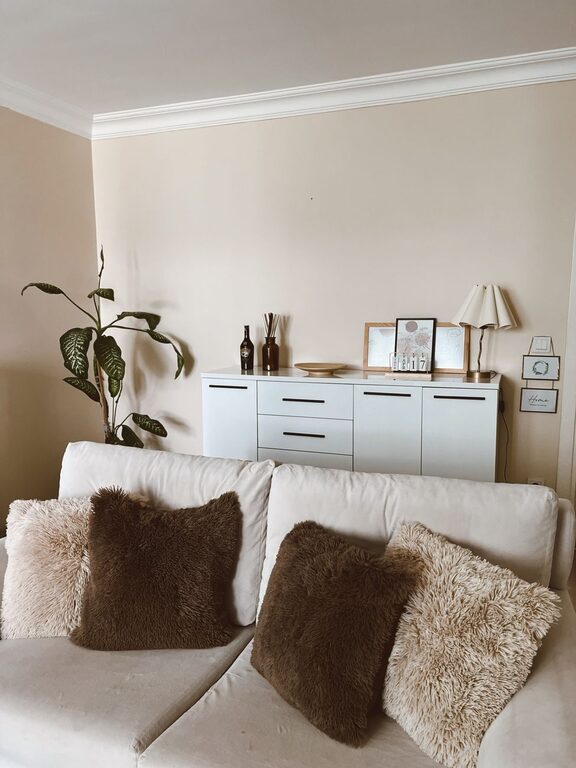
Budget-Friendly Ideas to Refresh Your Living Room
A living room refresh does not require expensive furniture or…